
In hospitality, we often obsess over what the guest sees: the lobby design, the plating of the food, the smile at the front desk. But as any veteran operator knows, the things that truly define a guest’s stay are usually the things they don’t see.
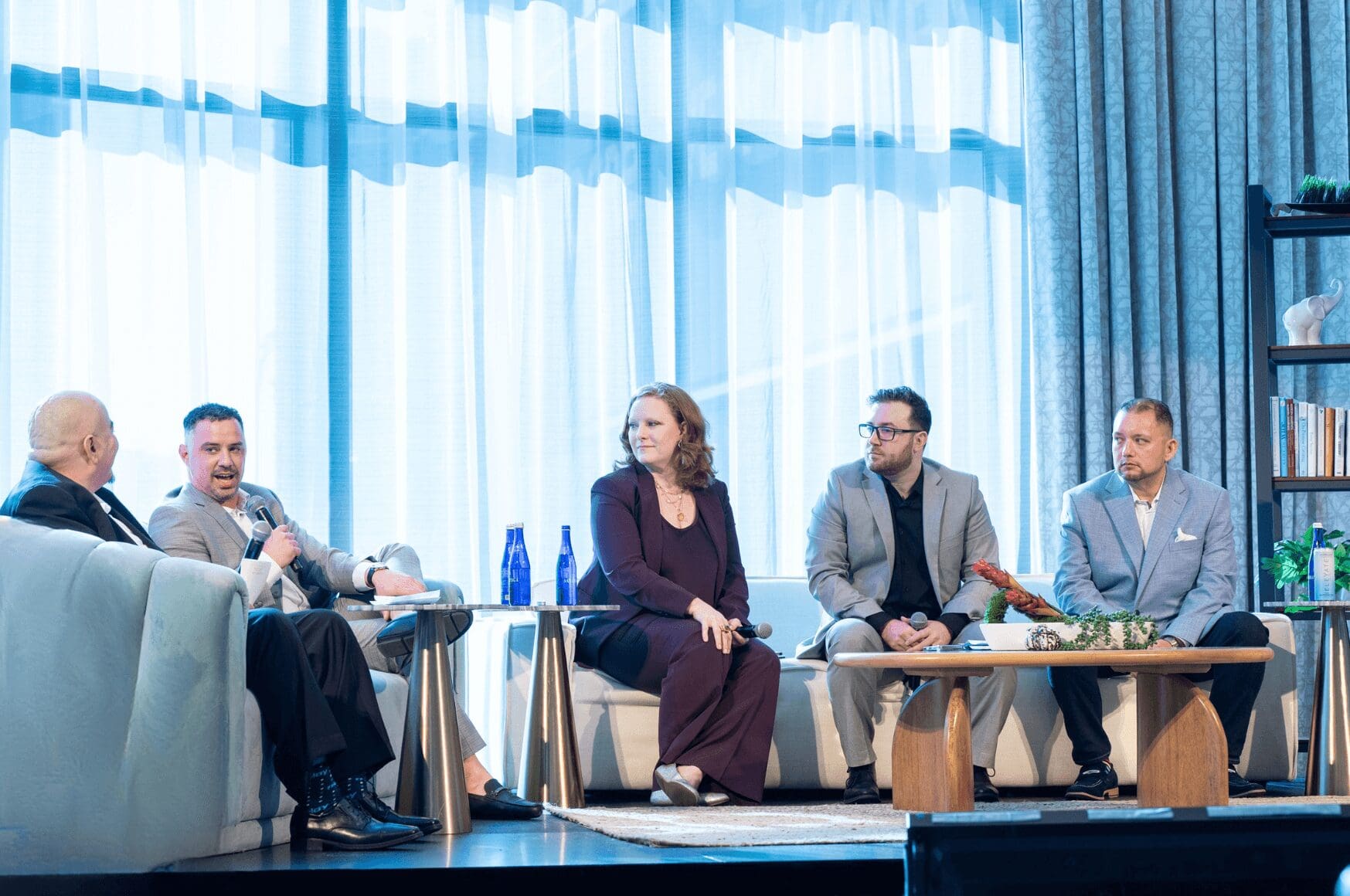
We recently hosted a panel titled “The Ripple Effect: How Seamless Operations Drive Guest Experience and Hotel Performance,” and the insights shared by our panelists remain a blueprint for operational excellence in today’s market.
Moderated by Nadeem Elborno, Director of Sales at Relay, the discussion brought together leaders from Davidson Hospitality, CoralTree Hospitality, Pyramid Global Hospitality, and the Woodcliff Hotel & Spa. They dove deep into the “invisible infrastructure” that shapes culture, profitability, and consistency.
If you missed the session, here are the four critical takeaways on how back-of-house operations ripple out to the guest experience.
1. Invisible Coordination Creates Visible Luxury
Shane Tavolino, Assistant GM at Woodcliff Hotel & Spa, perfectly captured the essence of the discussion: guests feel everything, even if they don’t see the mechanics behind it.
“Guests feel everything. They feel your anticipation of their needs. They also feel hesitation and uncertainty.,” Tavolino noted. He emphasized that luxury isn’t just about expensive furniture; it’s about the seamless handoff of information. If a guest mentions a birthday at check-in, the restaurant should already know before the guest sits down for dinner. When a guest has to repeat themselves, the spell of luxury is broken.
The Takeaway: Great operations mean the guest never has to ask twice. The data collection and systems behind the scenes must be robust enough to make the front-of-house execution look effortless.
2. Proactive Maintenance is a Guest Experience Strategy
Engineering is often viewed as a department that only gets noticed when something breaks. Chris Richardson, VP of Engineering and Sustainability at Davidson Hospitality, argued that we need to flip that script.
“Preventive maintenance is our biggest deal at Davidson,” Richardson explained. “Your guests are going to feel it right off the bat if you’re missing some preventive things.”
Dan Monahan, Director of Engineering at CoralTree Hospitality, echoed this, noting that preparation is the only way to handle the unexpected. “When it happens, you shouldn’t be asking questions, you should be taking action,” Monahan said. “If you’re asking questions, you’re already behind.”
The Takeaway: Operational reliability isn’t just about fixing pipes; it’s about protecting the guest’s peace of mind. A proactive engineering team prevents the friction points that lead to negative reviews.
3. Reframe Cost as Investment in Efficiency
Implementing new operational tools usually comes with a price tag, which can lead to resistance from owners or busy operators. Molly Preston, VP of Procurement at Pyramid Global Hospitality, shared her strategy for guiding these conversations toward long-term value rather than short-term cost.
Preston noted that her role is half procurement and “half sales and marketing”. When introducing a new tool, she doesn’t just look at the financial ROI; she looks at the impact on the staff. Does it streamline the process? Does it remove a burden from the back-of-house team?
“The [purchasing] system is easier to use, better for the team to navigate, they can get in and get out,” Preston explained regarding a recent system overhaul. “Our corporate teams [are] easily able to facilitate training and support much more quickly. So the teams really feel the end-of-the-day operational impact benefit, even though there was some initial investment of time.”
The Takeaway: If a tool makes your staff’s life easier, it inevitably improves the guest experience. That is a tangible ROI that goes beyond the spreadsheet.
4. Technology Bridges the Gap (and Language Barriers)
A recurring theme was how technology acts as the glue for a diverse workforce. Tavolino pointed out that empowering associates with autonomy—like giving housekeepers the ability to signal for help or report issues instantly—builds psychological safety.
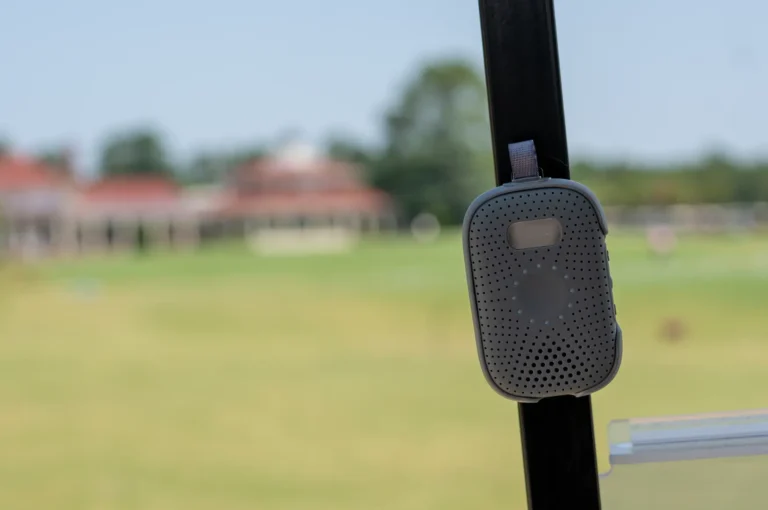
The panel also highlighted a specific feature of Relay that has been a game-changer for diverse teams: real-time translation.
“We have so many beautiful different languages spoken at each property,” Preston said. “One of the things I love about this system is it translates from one language into the next. It’s a really, really cool way to ensure quick communication, effective communication in the language that your team needs.”
The Takeaway: Communication isn’t just about talking; it’s about understanding. Tools that break down language barriers and provide safety (like panic buttons) prove to your staff that you care, fostering a culture that translates into better service.
The Bottom Line
As we move forward, the lesson from this panel is clear: Communication is a strategic lever.
Whether it’s breaking down silos or ensuring engineering is looped into the daily huddle, the most successful properties are the ones where the back-of-house teams are talking, preparing, and anticipating.