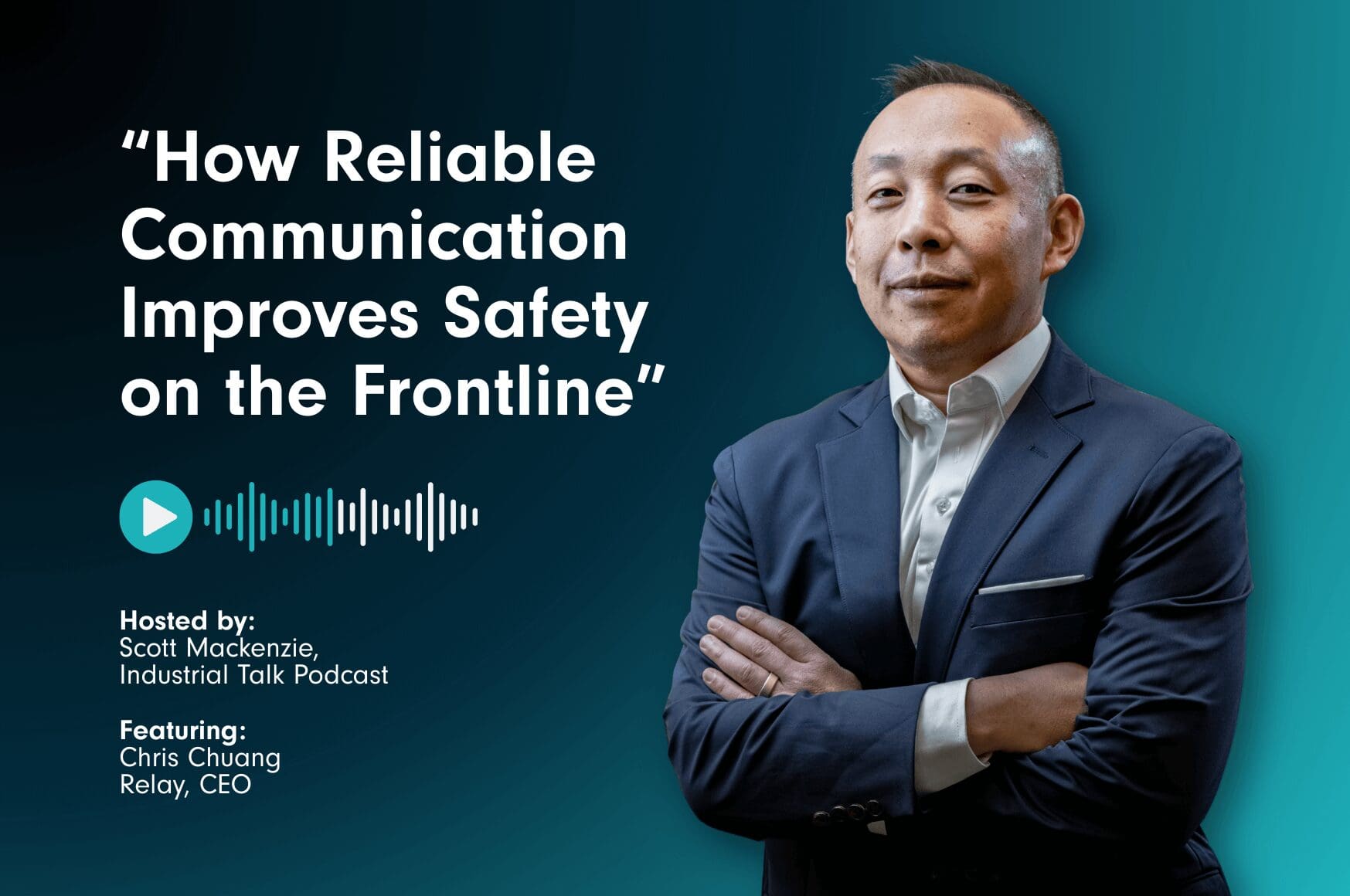
When it comes to industrial operations, communication is not just about convenience. It directly impacts safety, efficiency, and trust on the floor. That idea sits at the center of a recent conversation on the Industrial Talk podcast, where Chris Chuang, Co-Founder and CEO of Relay, joined host Scott MacKenzie to talk about why communication tools need to evolve to meet real-world conditions.
Why Traditional Communication Falls Short
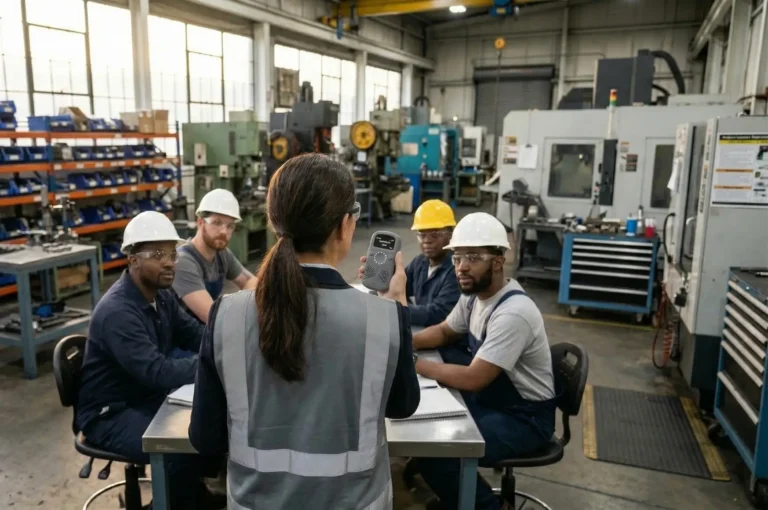
In many industrial environments, teams still rely on legacy radios or cell phones that were never designed for noisy, high-risk settings. Dead zones, dropped connections, and fragile hardware create gaps that workers have learned to work around, even when the stakes are high.
Chris explains that these gaps are not just frustrating, they can be dangerous. When a message does not get through or a worker cannot reach help quickly, the consequences can be serious. That reality is what pushed Relay to rethink how frontline communication should work.
Designing for the Frontline First
One of the strongest themes in the episode is intentional design. Relay was built specifically for frontline workers, not adapted from consumer devices or legacy radios.
The device is small, rugged, and built to handle drops, water, and daily wear. It supports push-to-talk communication using both Wi-Fi and cellular connectivity, helping teams stay connected across large or complex facilities. It also includes features like emergency alerts, location awareness, and real-time translation to support diverse teams working side by side.
Chris also shares why Relay builds its own hardware rather than relying on third-party devices. Owning the design process allows the team to focus on reliability and usability instead of forcing industrial workers to adapt to tools that were never meant for them.
Using AI to Support, Not Replace, People
The conversation also touches on how AI fits into the future of frontline communication. Chris is clear that the goal is not to replace human decision-making. Instead, AI can help surface important signals, identify potential safety risks, and provide insights that teams might otherwise miss.
When used thoughtfully, these tools can help supervisors respond faster, spot trends, and support workers more effectively. The focus stays on making people safer and more informed, not adding complexity for the sake of technology.
Keeping the Human Element Intact
Despite all the technology involved, one thing remains constant. Trust, clarity, and human connection still matter most. Chris emphasizes that communication tools should strengthen these relationships, not get in the way of them.
In high-pressure environments, workers need tools that feel simple and dependable. When communication works the way it should, teams can focus on the job instead of worrying about whether their message will get through.
What Comes Next
Relay has spent years building a strong foundation around reliable connectivity. With that in place, the company is continuing to expand how data and AI can support safer and more efficient operations. The long-term vision is clear: give frontline teams tools that work in real conditions and help organizations make better decisions without losing sight of the people doing the work.
Final Thoughts
This episode of Industrial Talk highlights an important shift happening across industrial operations. Communication is no longer just an operational tool. It is a core part of safety strategy and workforce support.
For leaders responsible for frontline teams, the takeaway is simple. When communication works reliably, everything else works better too.